
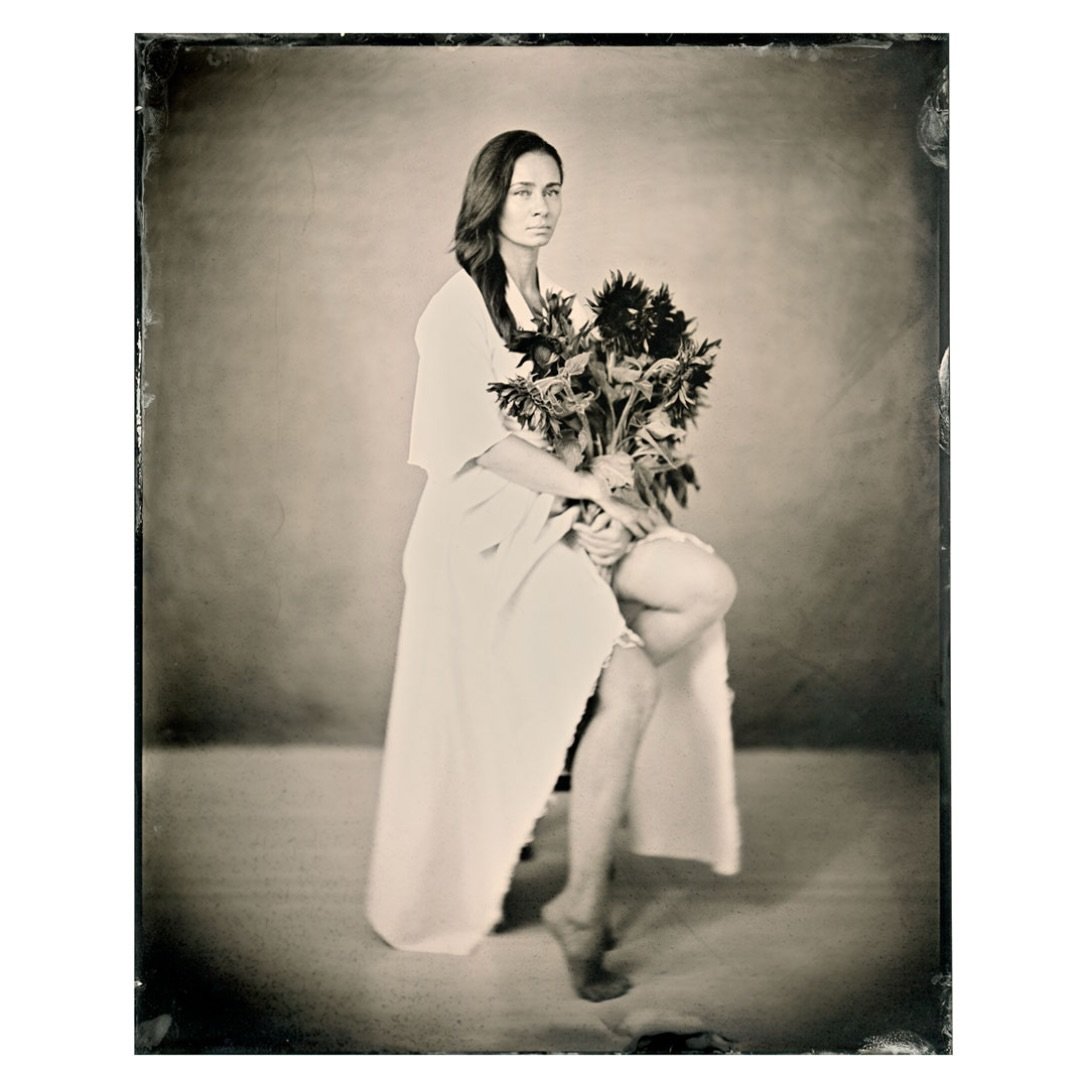
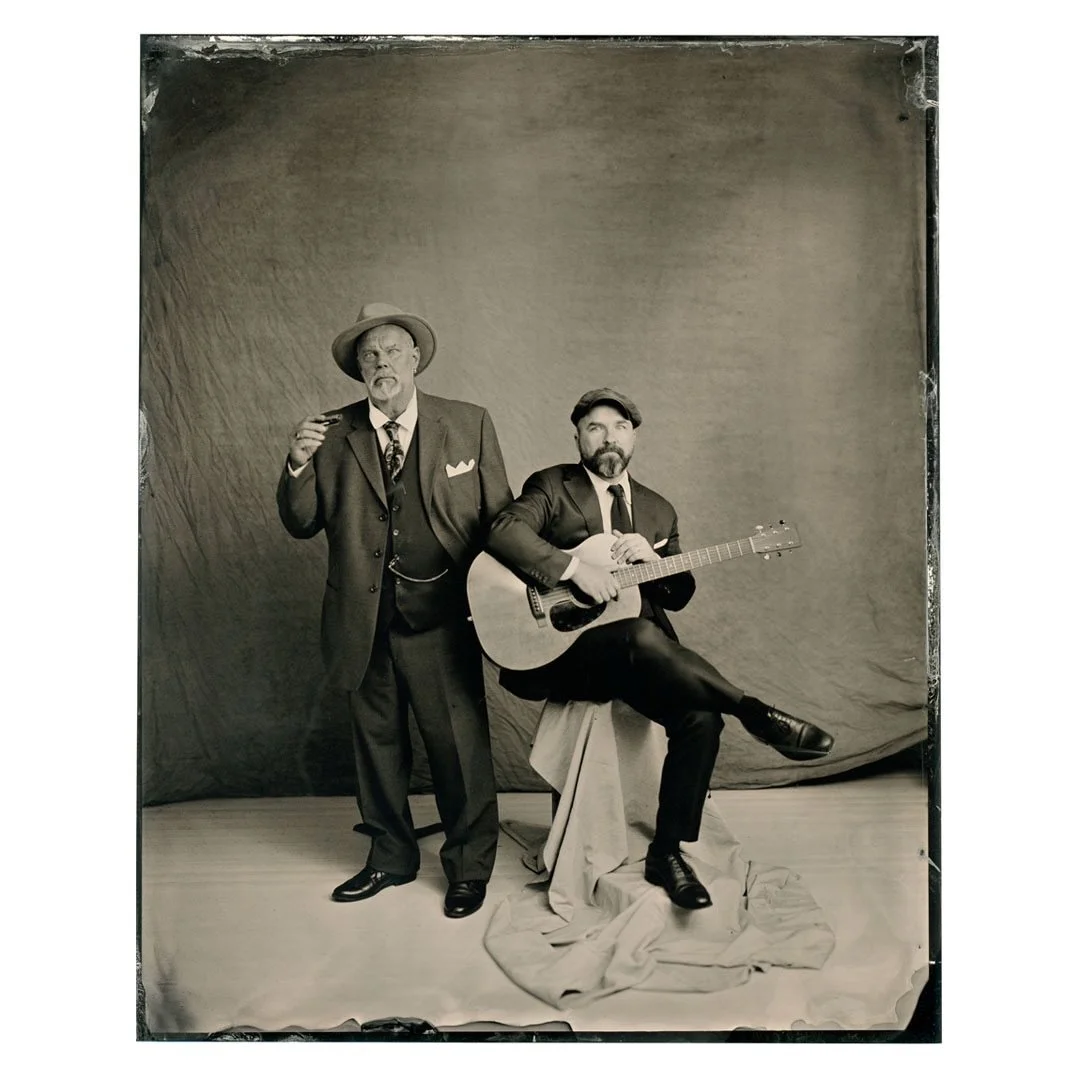
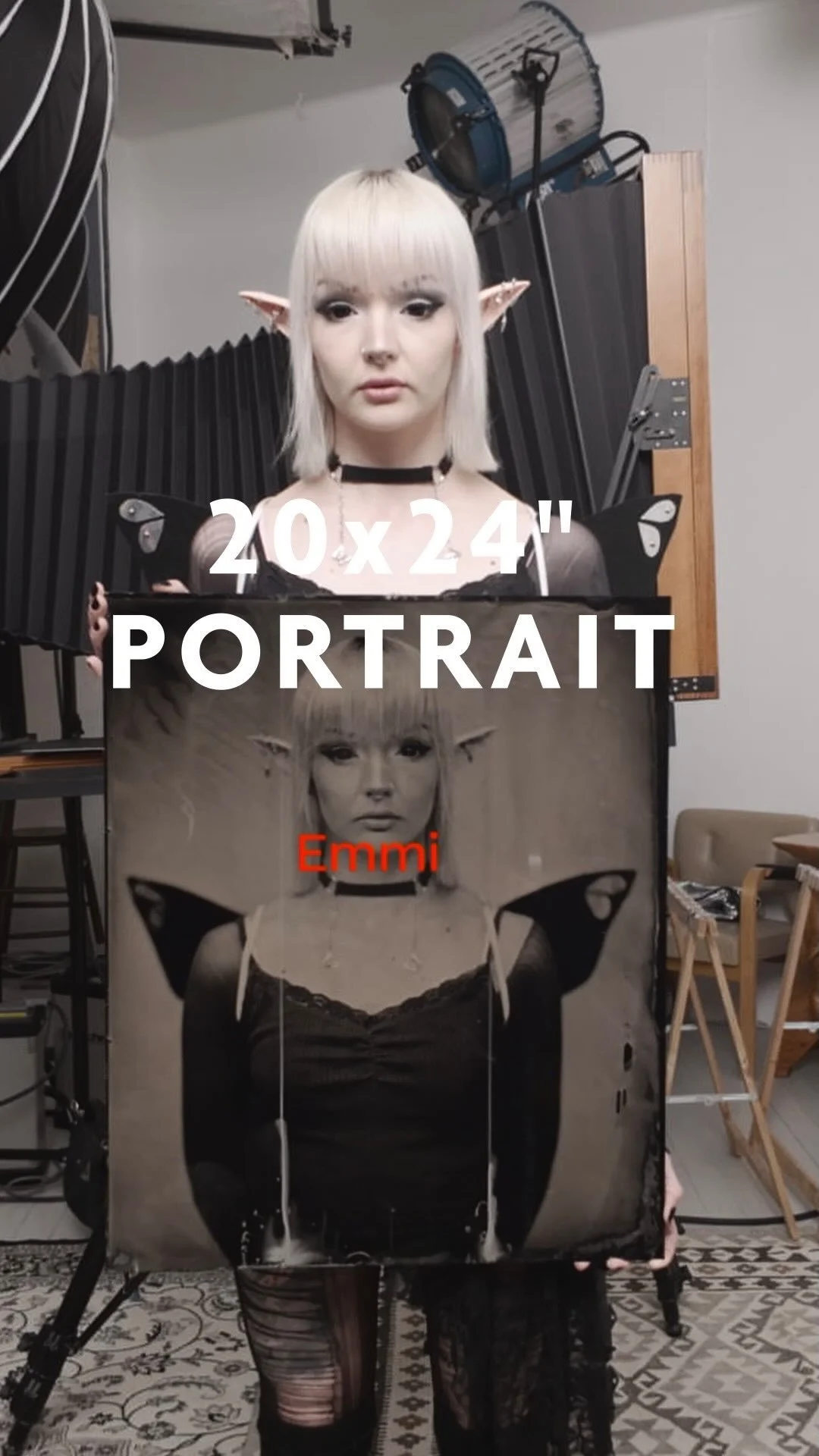
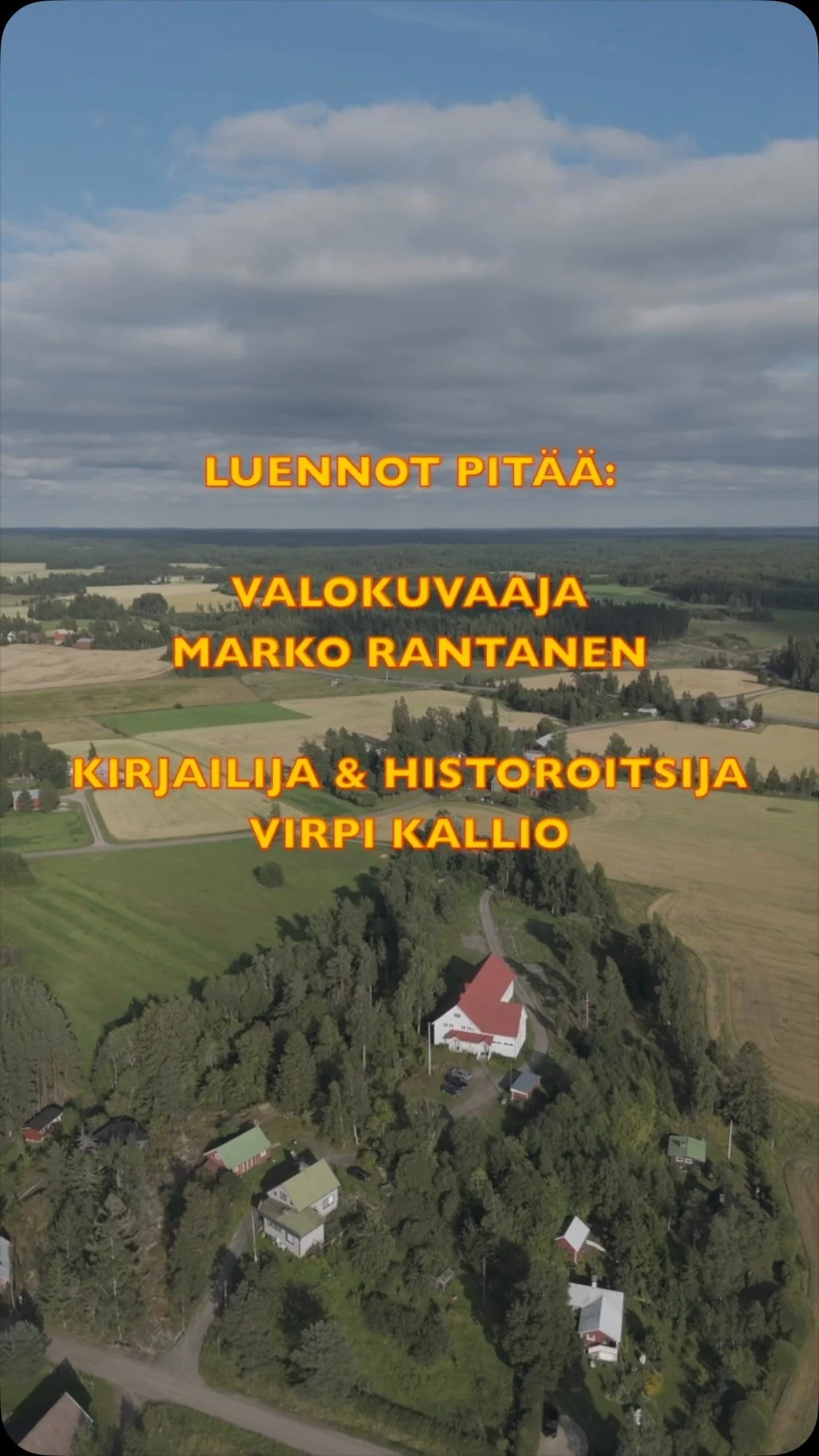
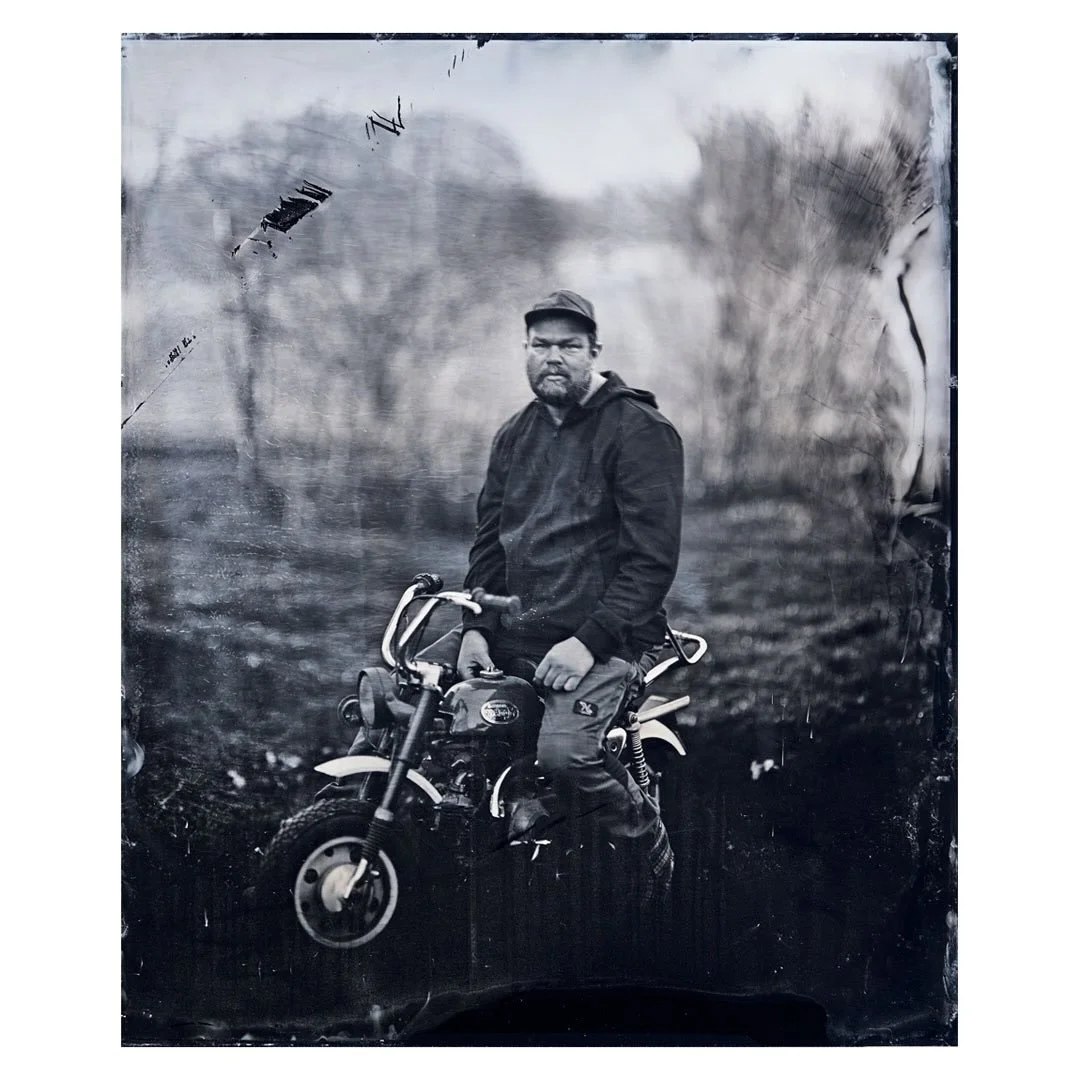
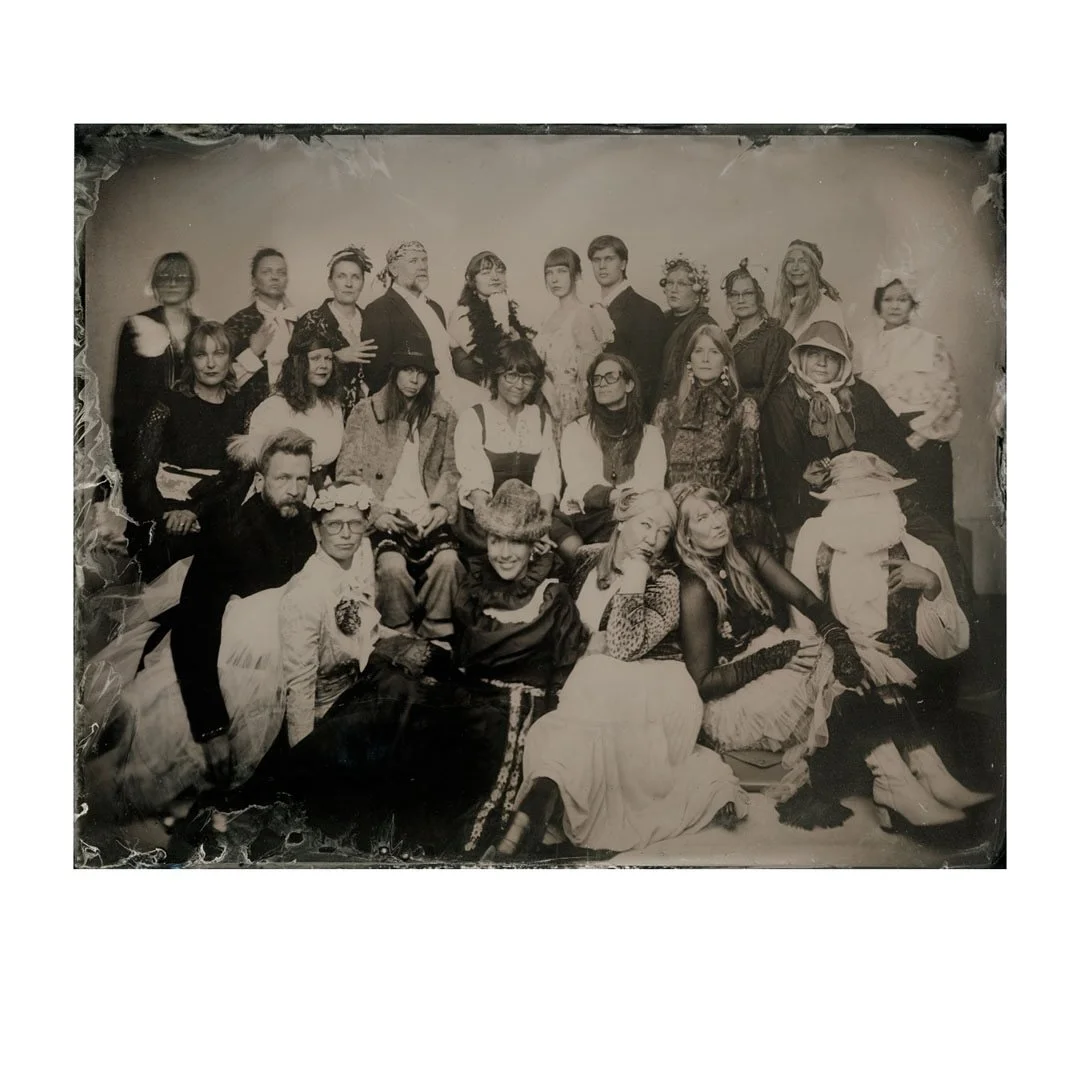
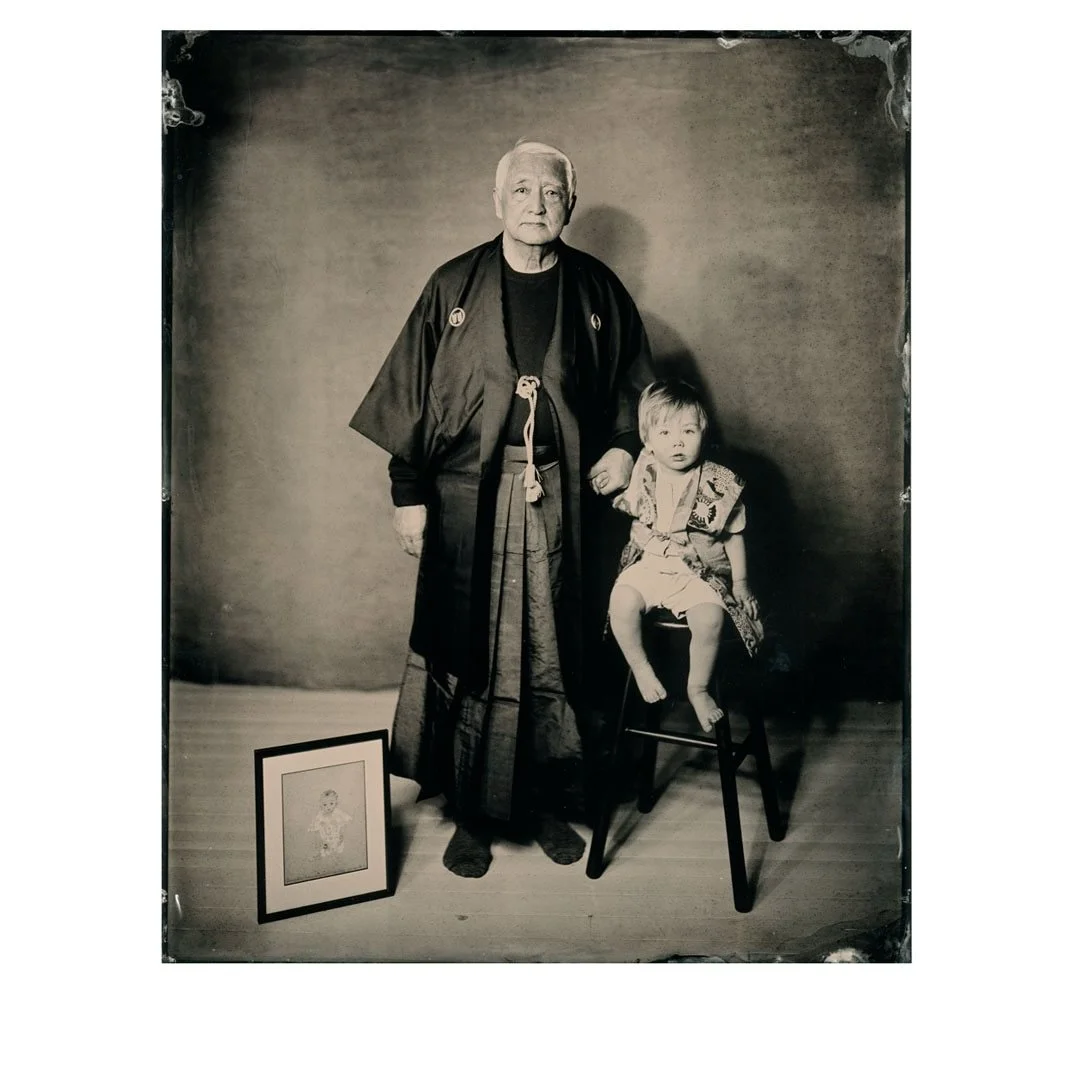
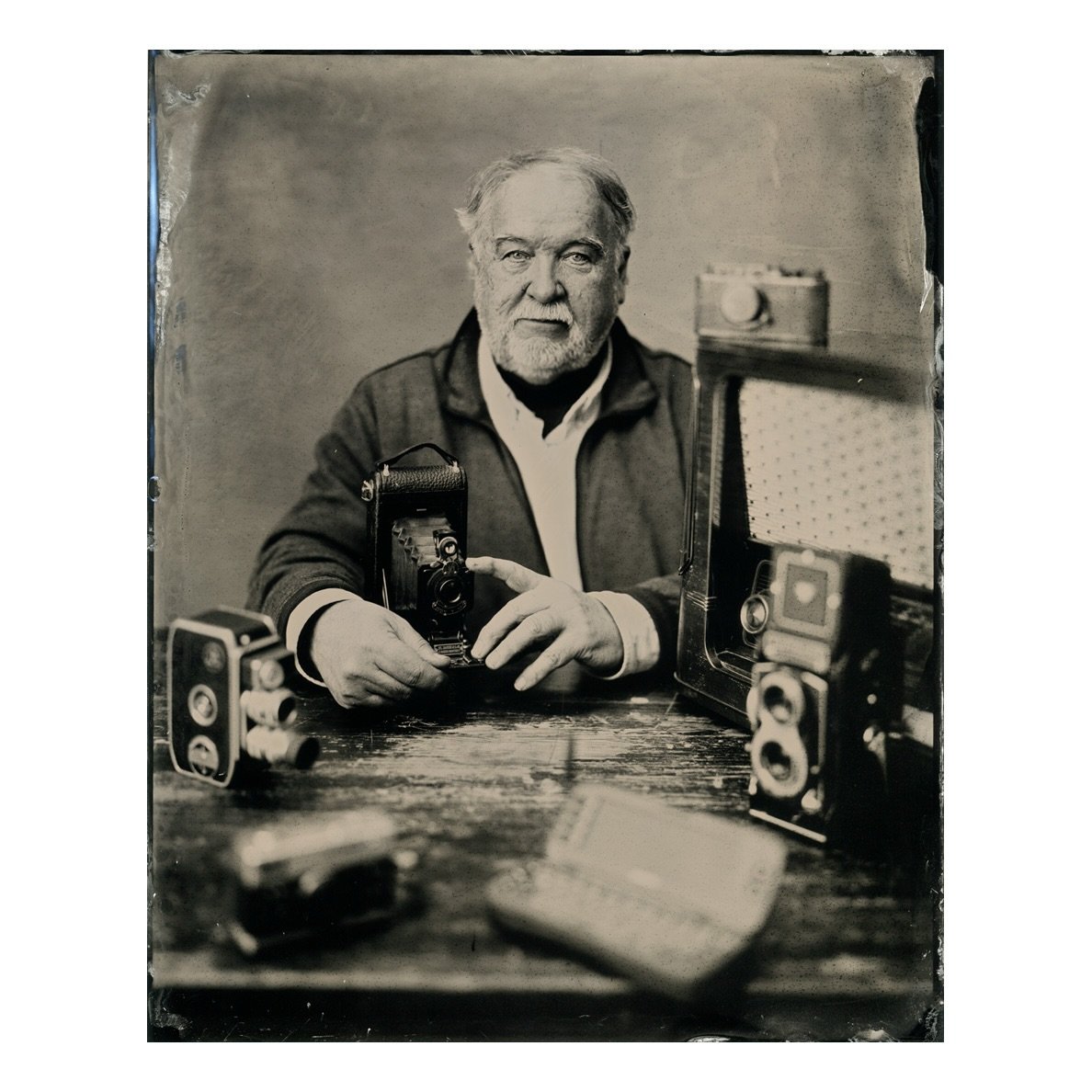
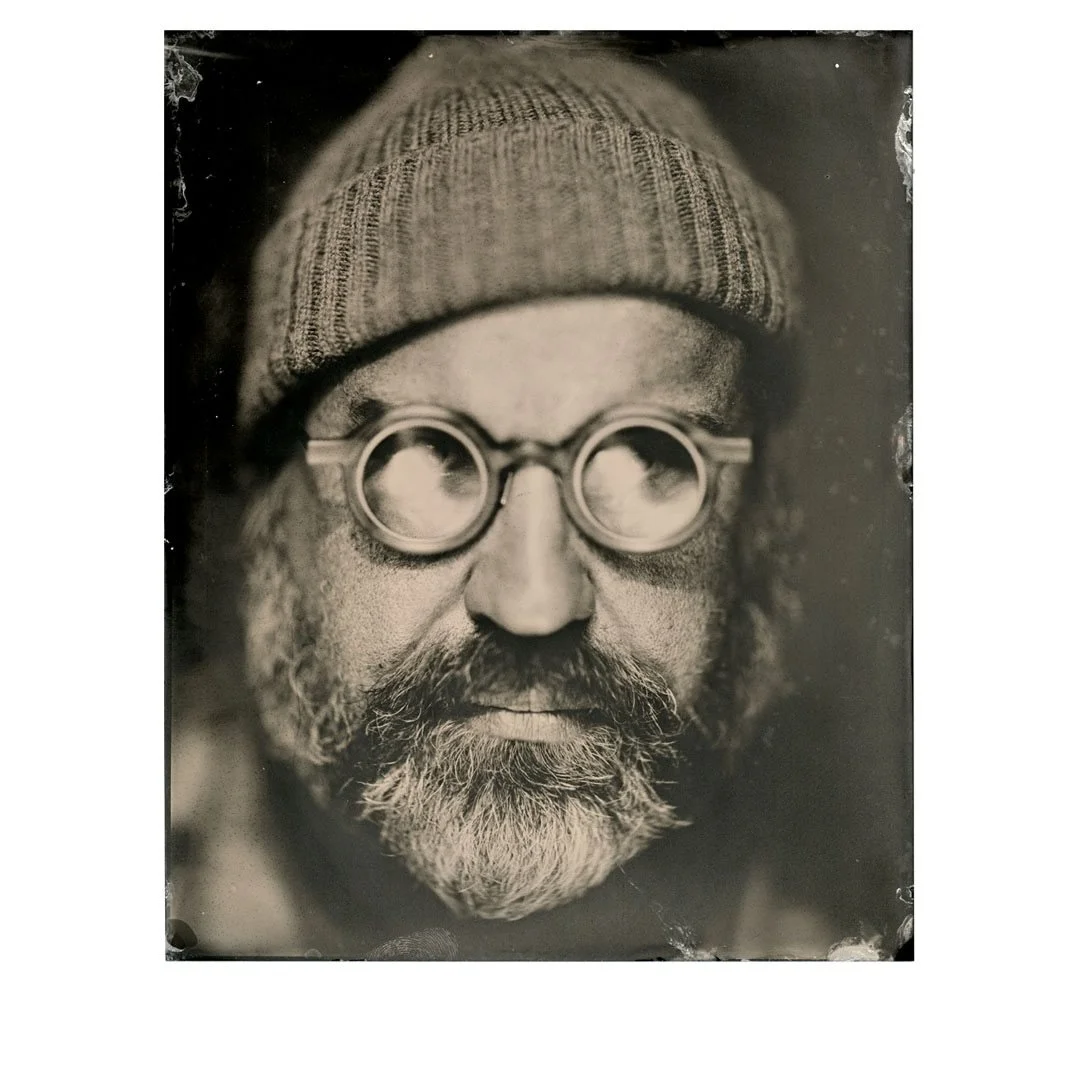
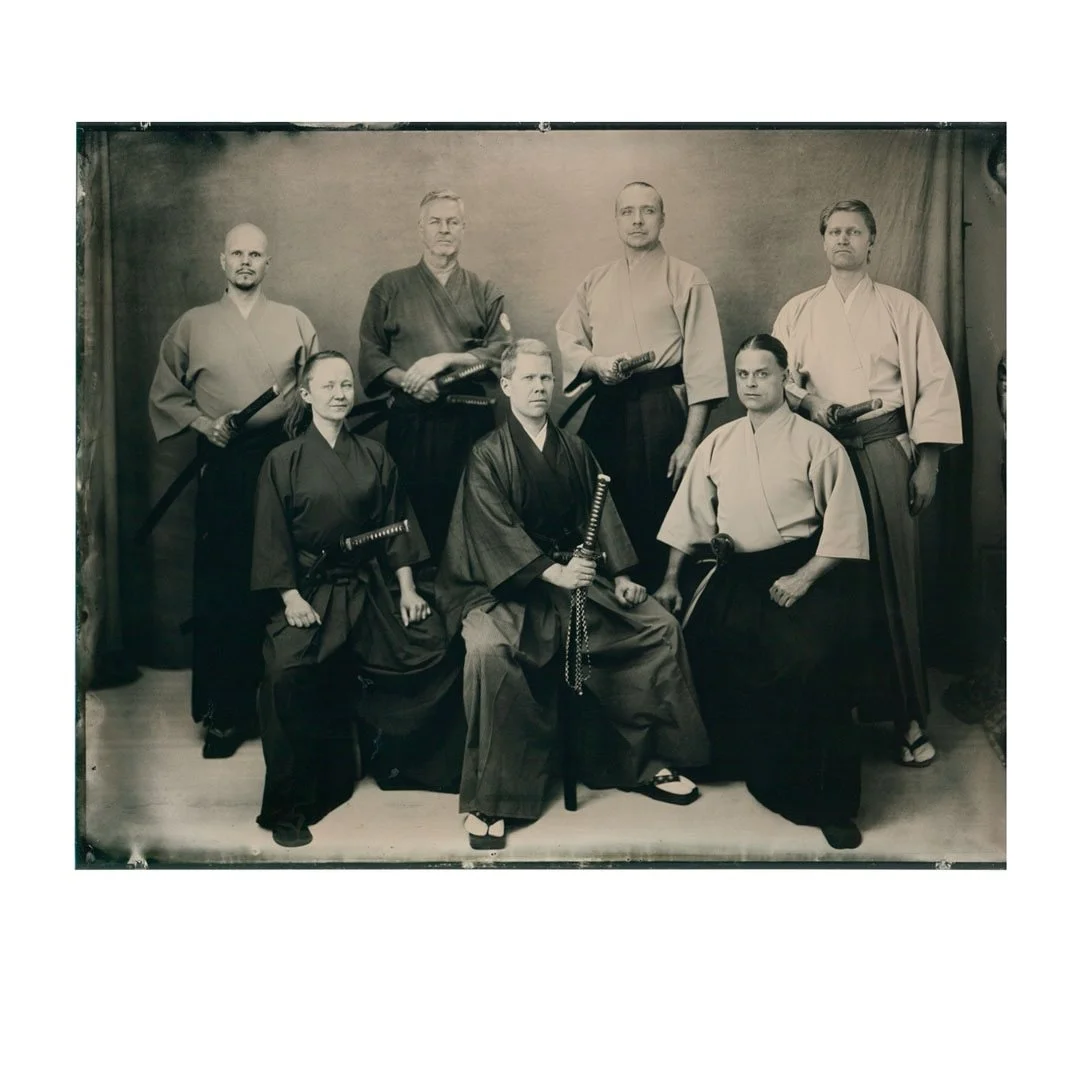
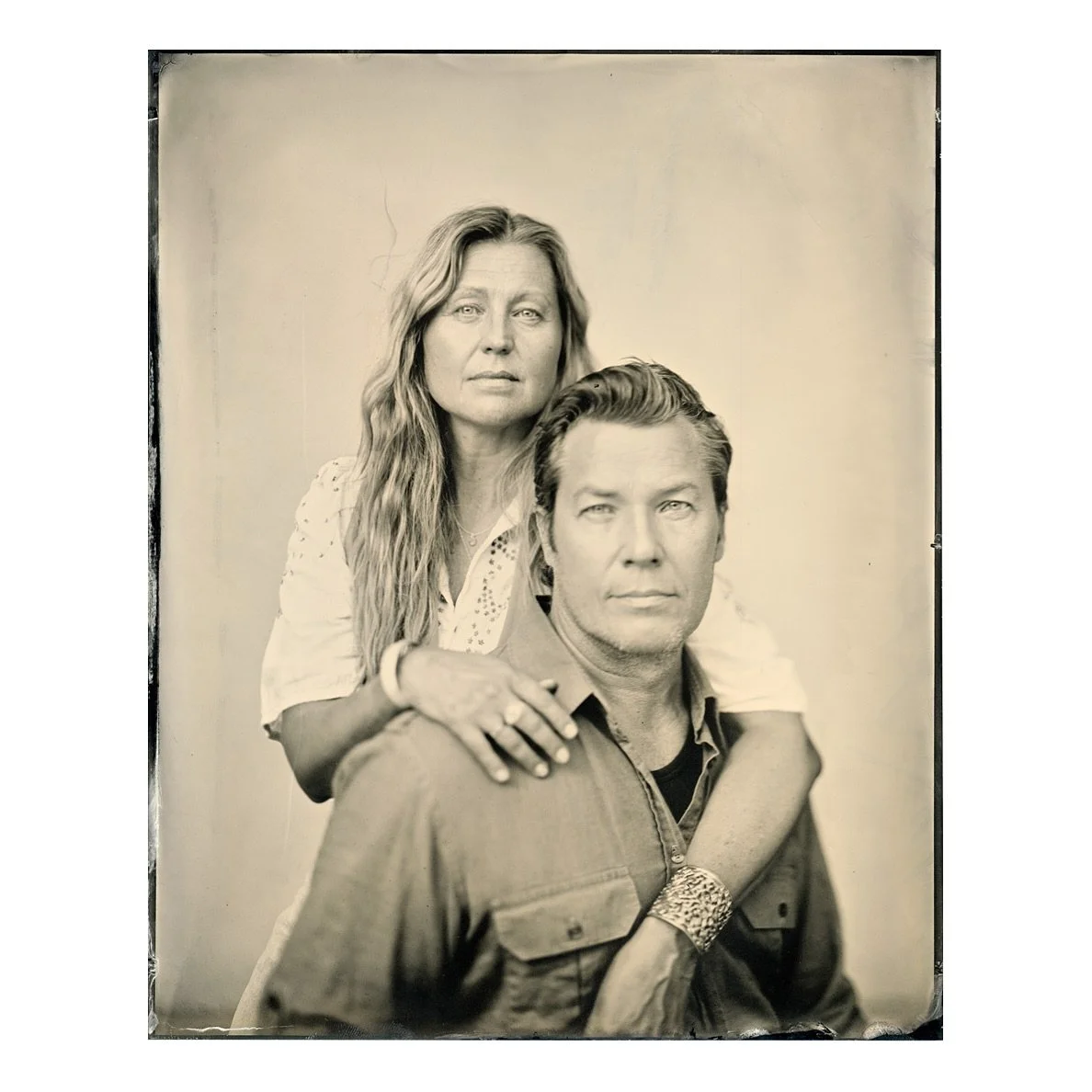
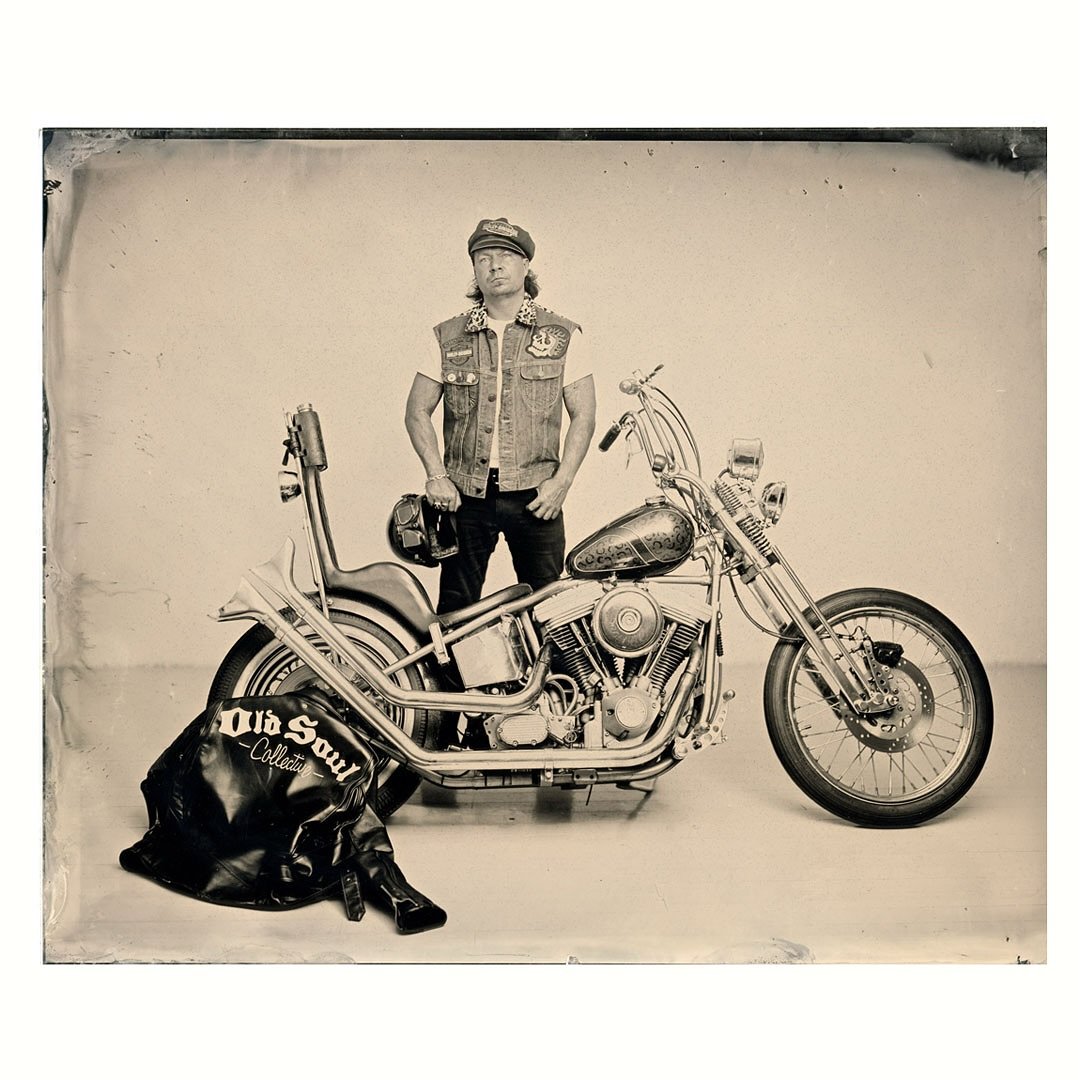
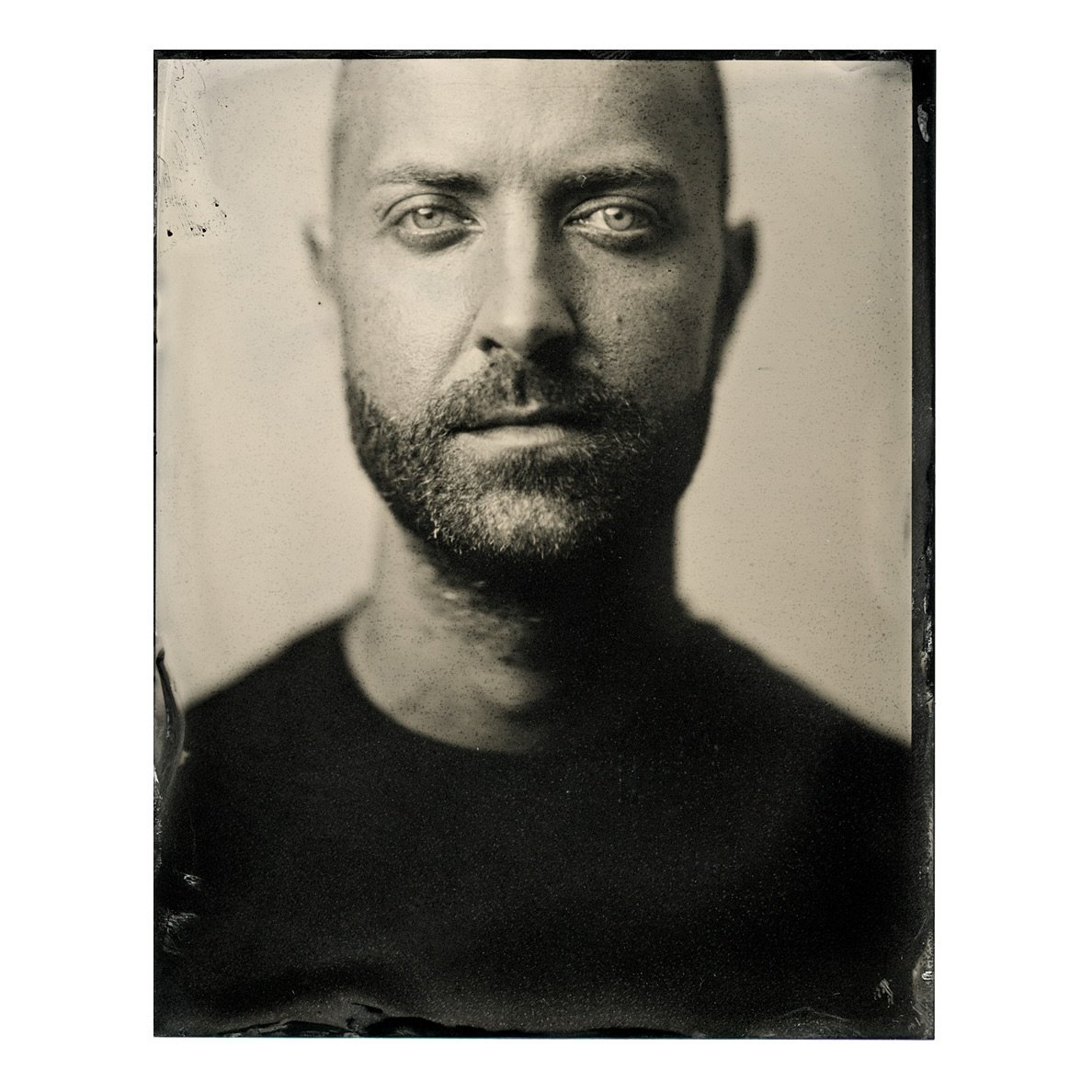
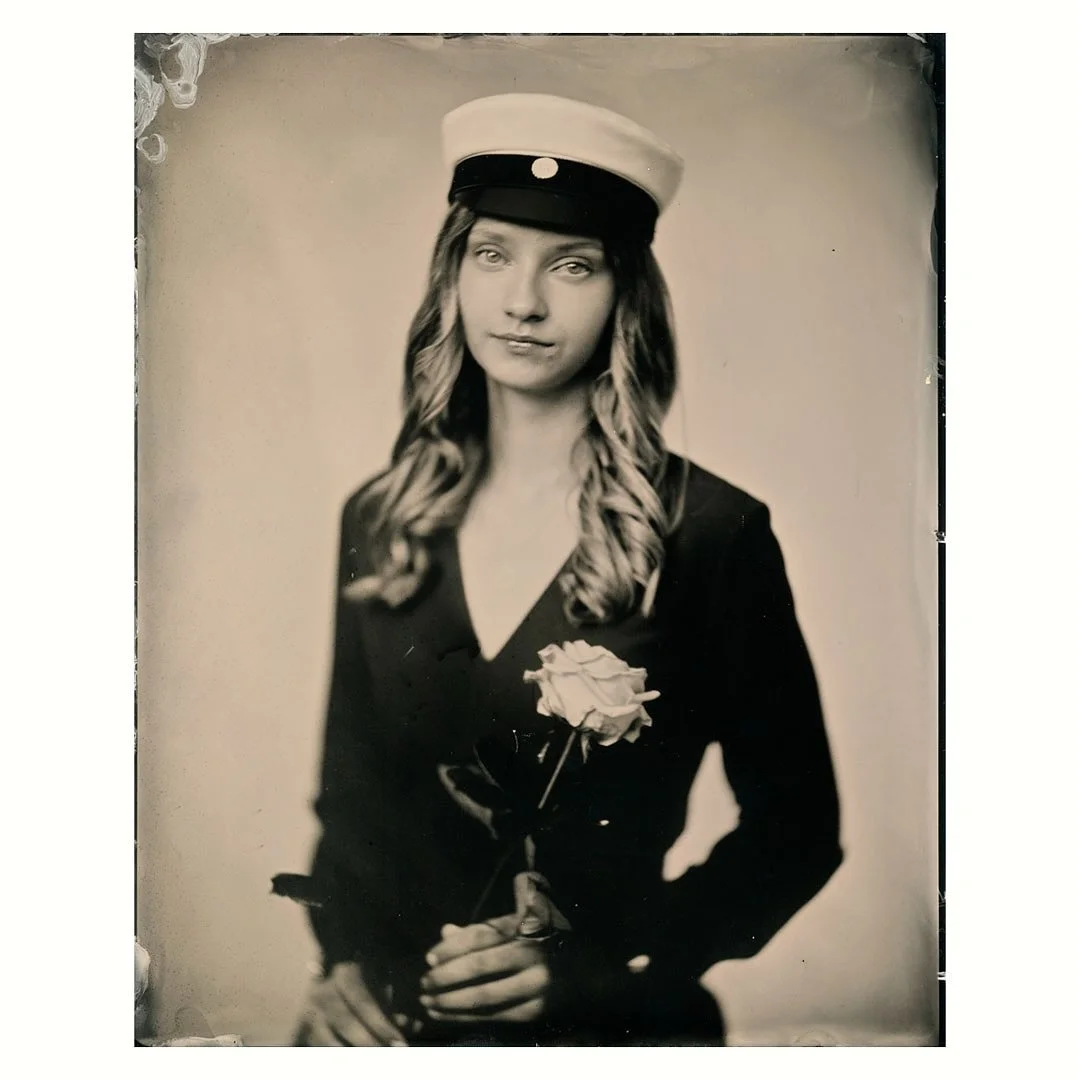
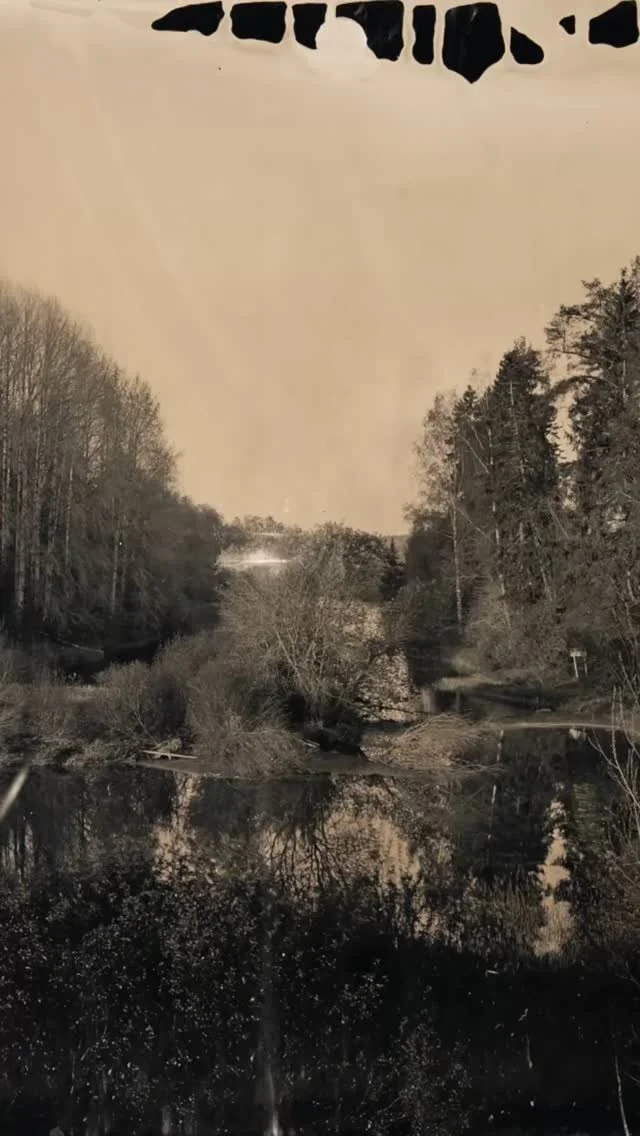
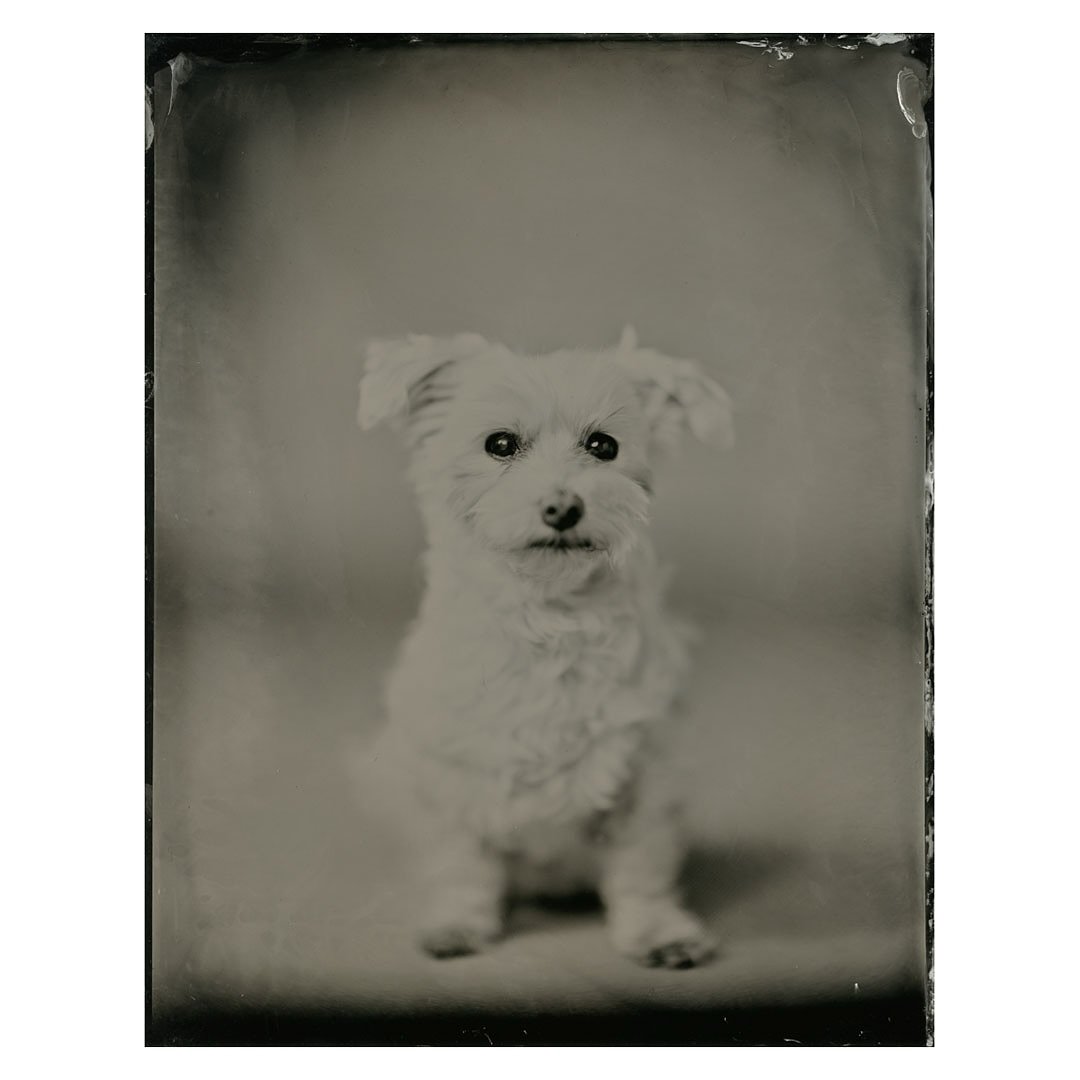
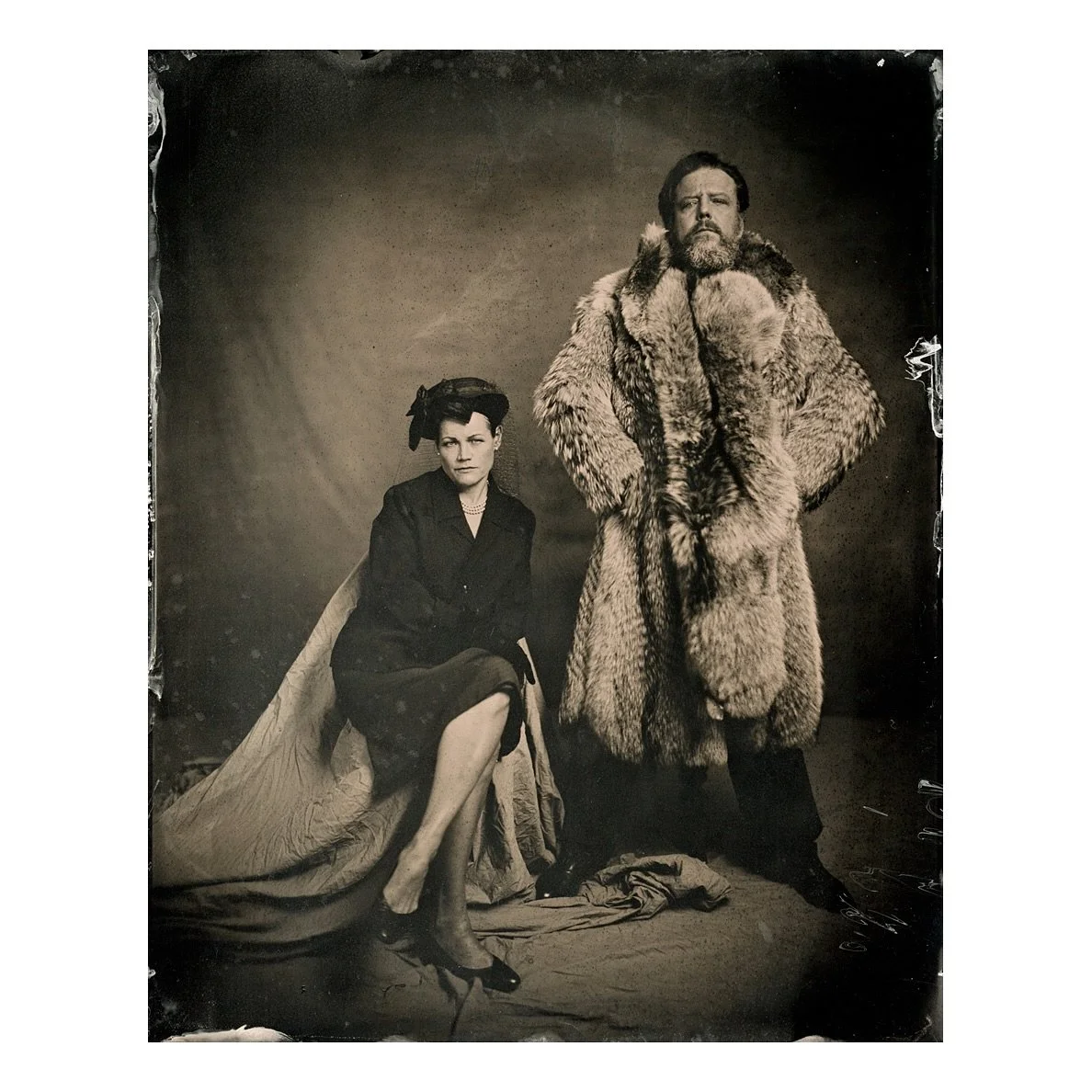
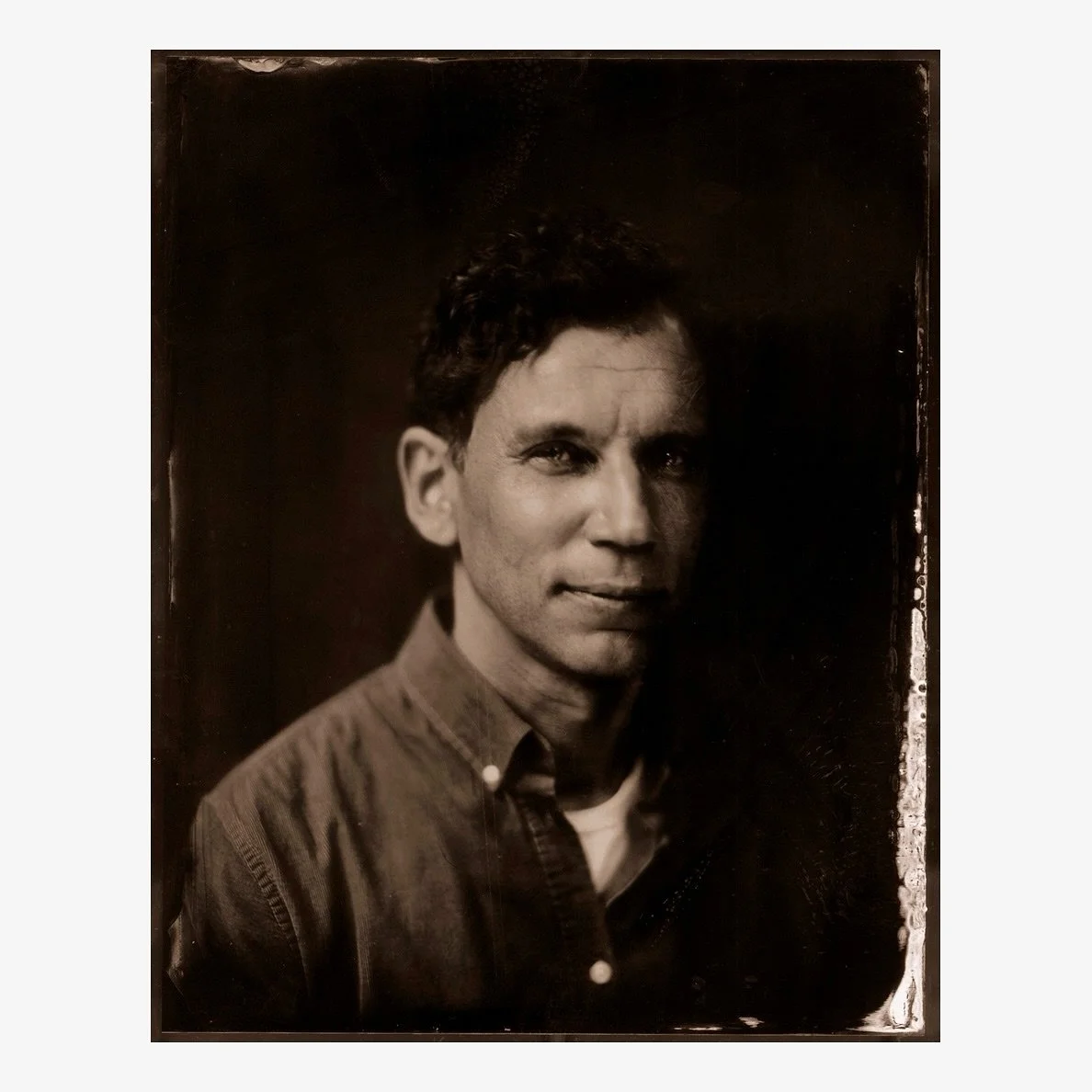
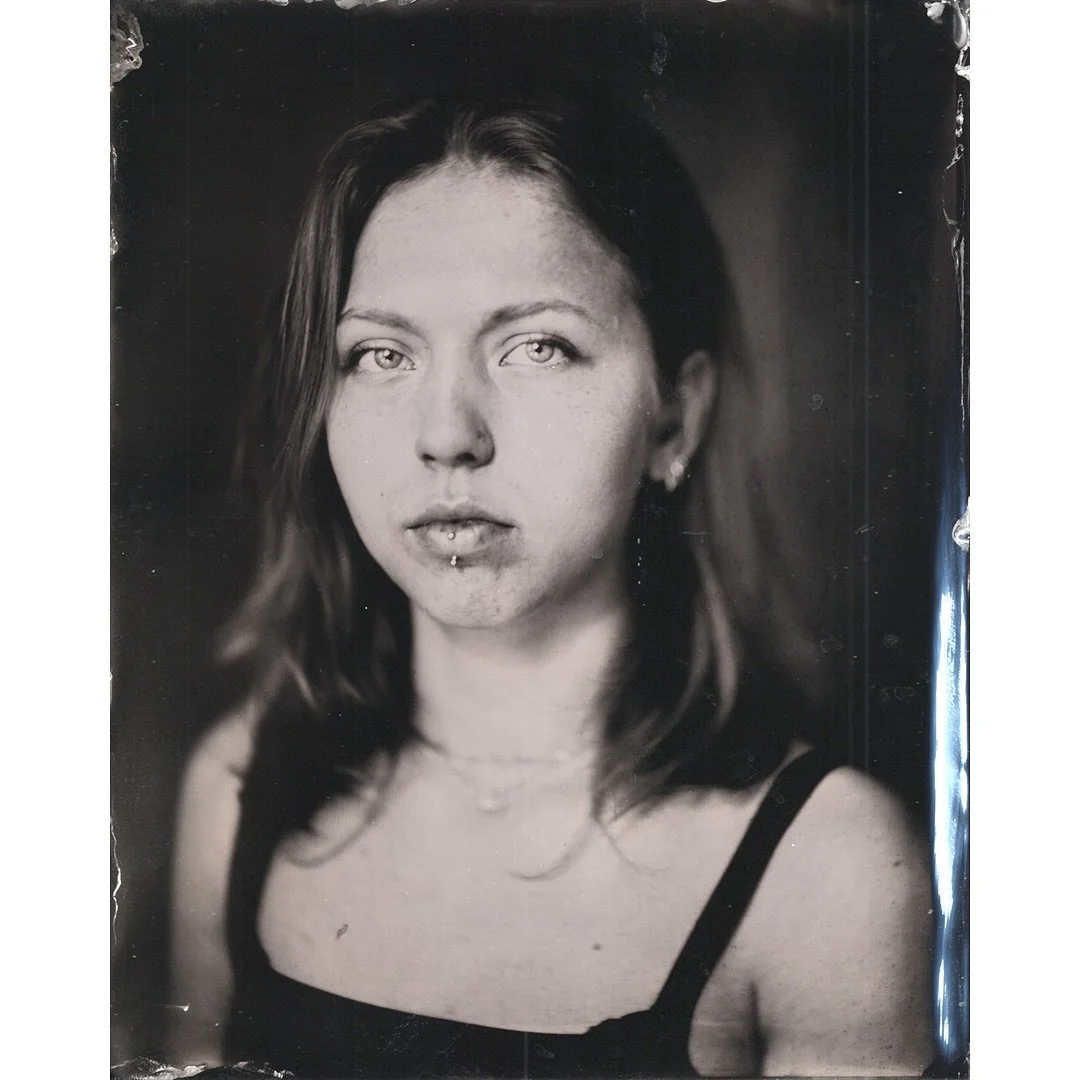
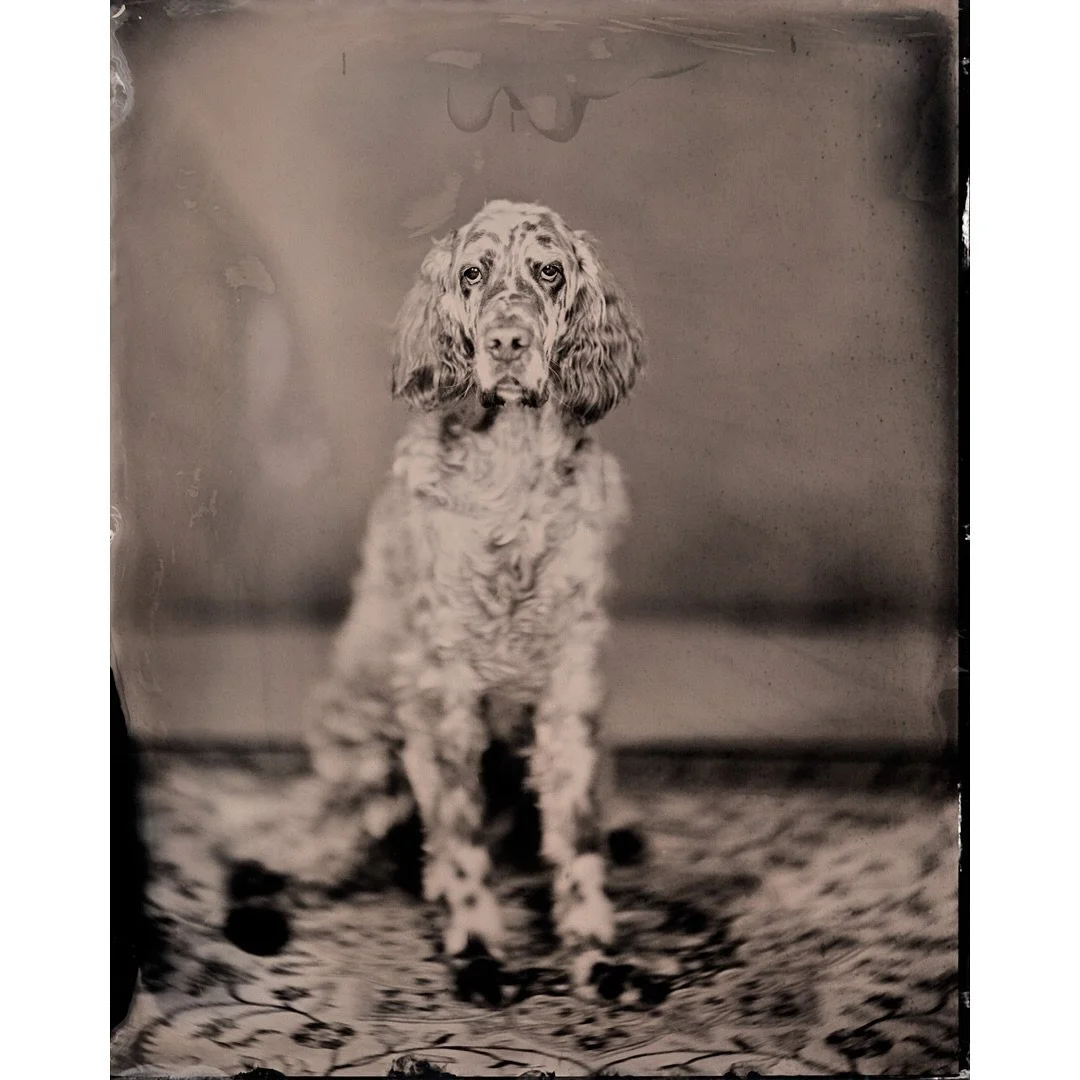
Above are a few example images. You can find more photographs on my Instagram: https://www.instagram.com/ateljeemarkorantanen/
I have been working with wet plate collodion photography since 2015. Sessions can be carried out anywhere, as the technique and equipment are fully portable, but portrait sessions usually take place at my studio in Vallila, Helsinki.
A portrait session is booked for one hour. Within that time, there is enough time to make the image twice (in case the first attempt fails or if two images are desired) and to finish the plate. If the image is collected later or sent by post, the session can be shorter. If you wish to take three images and receive them immediately, it’s best to book two consecutive sessions.
Each image is handcrafted on a metal plate and is always a unique, one-of-a-kind piece.
The images may be used for personal purposes (Facebook, Instagram, LinkedIn, etc.). Commercial use must be agreed upon separately.
4×5” (approx. 10.2 × 12.7 cm): €120 / image
5×7” (approx. 12.5 × 17.6 cm): €160 / image
8×10” (approx. 20.3 × 25.4 cm): €210 / image
20×24” (approx. 50.5 × 60.5 cm): €1000 / image (Session time arranged separately)
Gift cards can be purchased at: https://holvi.com/shop/markorantanen/section/wet-plate-portrait/
Gift cards are valid for 3 months from the date of purchase.
Session slots are released sporadically throughout the month. I usually do not open the booking calendar more than one month in advance. If you are only available on a specific date, please send an enquiry via the form.
If the embedded calendar does not work, bookings can also be made directly via: https://vello.fi/ateljeemarkorantanen/
The booking confirmation includes detailed arrival instructions to the studio and a phone number.
Below is a short introduction video explaining the process, where you can see the entire workflow.
Frequently Asked Questions (FAQ)
Are glasses a problem?
If your glasses darken in sunlight or have strong UV/blue-light blocking coatings, they may also darken in the image. The process is sensitive mainly to blue and UV light—if the glasses block these wavelengths, they will appear dark.
How does photographing small children work if they don’t stay still?
We usually start by trying a bit of “magic.” If that doesn’t work, the session can be done using flash, which freezes movement.
How many images can be made in one hour?
Usually the focus is on making one strong image, with time for a second attempt if needed (e.g. dust on the face or another unwanted detail). It is possible to make 2–3 images per hour, but in that case they cannot be taken immediately, as finishing takes time—collection later or shipping is then arranged.
What does a studio session roughly consist of?
5–15 min: introduction, mirror check, mental preparation
5 min: plate preparation
3 min: exposure
10 min: development and fixing
15 min: washing
10 min: drying, scanning, and waxing
If you wish to take several images and receive them immediately, it’s best to book multiple sessions or send a message in advance.
How many people can be in one image?
There is no strict limit. The more people in the image, the smaller they appear. The maximum in my studio so far has been 24 people in an 8×10” plate; around 30 is likely the upper limit indoors. Outdoors, there are no such constraints.
How often do sessions take place?
Typically 5–10 times per month, usually on weekends.
What sparked your interest in historical processes?
I want to keep analogue photography alive, especially since the Polaroid materials I used were discontinued and films are steadily disappearing from the market. I also want to deepen my understanding of photographic history.
Can sessions only take place at your studio?
Sessions can be held anywhere, as long as darkroom tent fumes can be vented out. I’ve photographed, for example, at customer events in tailor shops.
What kind of makeup works best?
This depends on the makeup and skin type. Strong contouring or blush may darken unexpectedly. Generally, reddish tones darken and bluish tones lighten.
Why are some people slightly unsharp in the images?
If the photograph is made using continuous light (rather than flash), some subjects may move slightly during the exposure, which typically lasts around 3–8 seconds. The advantage of this approach is that blinking does not show in the images. When using flash, movement is completely frozen, but some people may close their eyes due to the burst of light.
Why do skin tones vary so much?
The process is sensitive to blue light, and red-pigmented skin can darken. Men’s skin often appears darker than women’s. In individual portraits this can be adjusted through exposure and development; in group images it becomes a compromise.
Why are there streaks or marks in some images?
The process is entirely handmade and chemical. Many steps must be done quickly, and results are affected by temperature, humidity, chemicals, their age, and the steadiness of the maker’s hand. Unexpected elements are part of the process.
Why are some images cooler or warmer in tone?
Uncoated plates appear cooler; the final image becomes warmer. It depends on the stage at which the image is digitised.
How old is your equipment?
My oldest lens dates from 1860, the newest from 1940. The camera I usually use is from the 1990s.
When you book a session, you will receive a confirmation via Vello.fi, including detailed arrival instructions and a phone number.
Bookings and enquiries should be made through the website. Sessions usually take place at my studio in Vallila, Helsinki.